Introduction: Start Training Your Dog at Home
Training your dog at home can be a rewarding experience that strengthens the bond between you and your furry friend. For homeowners in Watertown, Wisconsin, having a well-trained dog is essential for a harmonious household. In this beginner's guide, we'll cover essential tips and techniques to help you start training your dog effectively at home.
Understanding Your Dog's Needs
Before you begin training, it's crucial to understand your dog's needs and personality. Every dog is unique, and their training should be tailored accordingly. Consider your dog's breed, age, and temperament. For instance, some breeds like Labrador Retrievers are eager to please and may learn quickly, while others may require more patience.
Essential Training Supplies
- Training Treats: Choose small, soft treats that your dog loves to use as rewards.
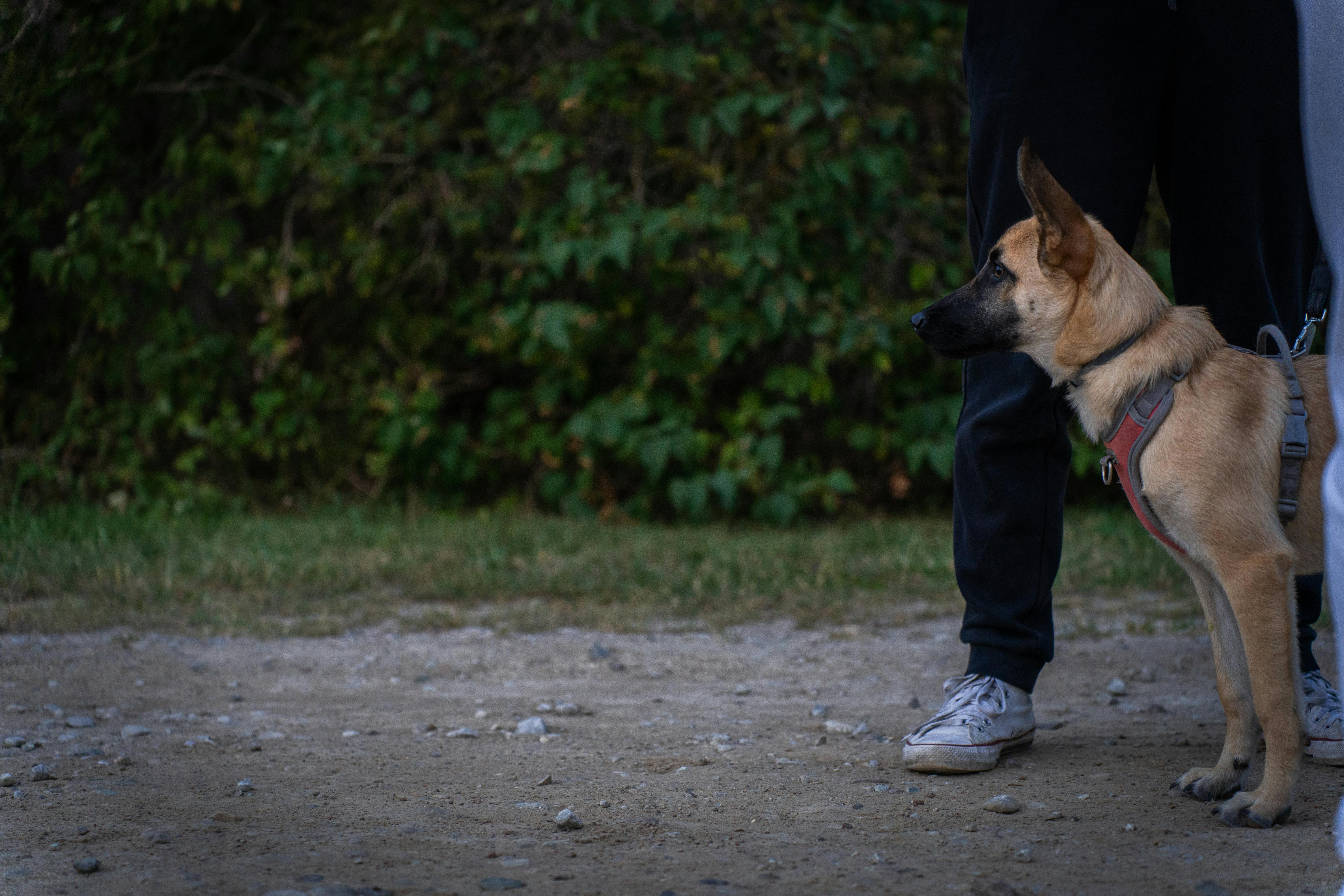
- Leash and Collar: A sturdy leash and a comfortable collar are essential for outdoor training.
- Clicker: A clicker can be a helpful tool for marking good behavior.
- Training Mat: Use a mat to designate a training area in your home.
Basic Commands to Start With
Begin with basic commands that form the foundation of good behavior. Here are some essential commands to teach:
1. Sit
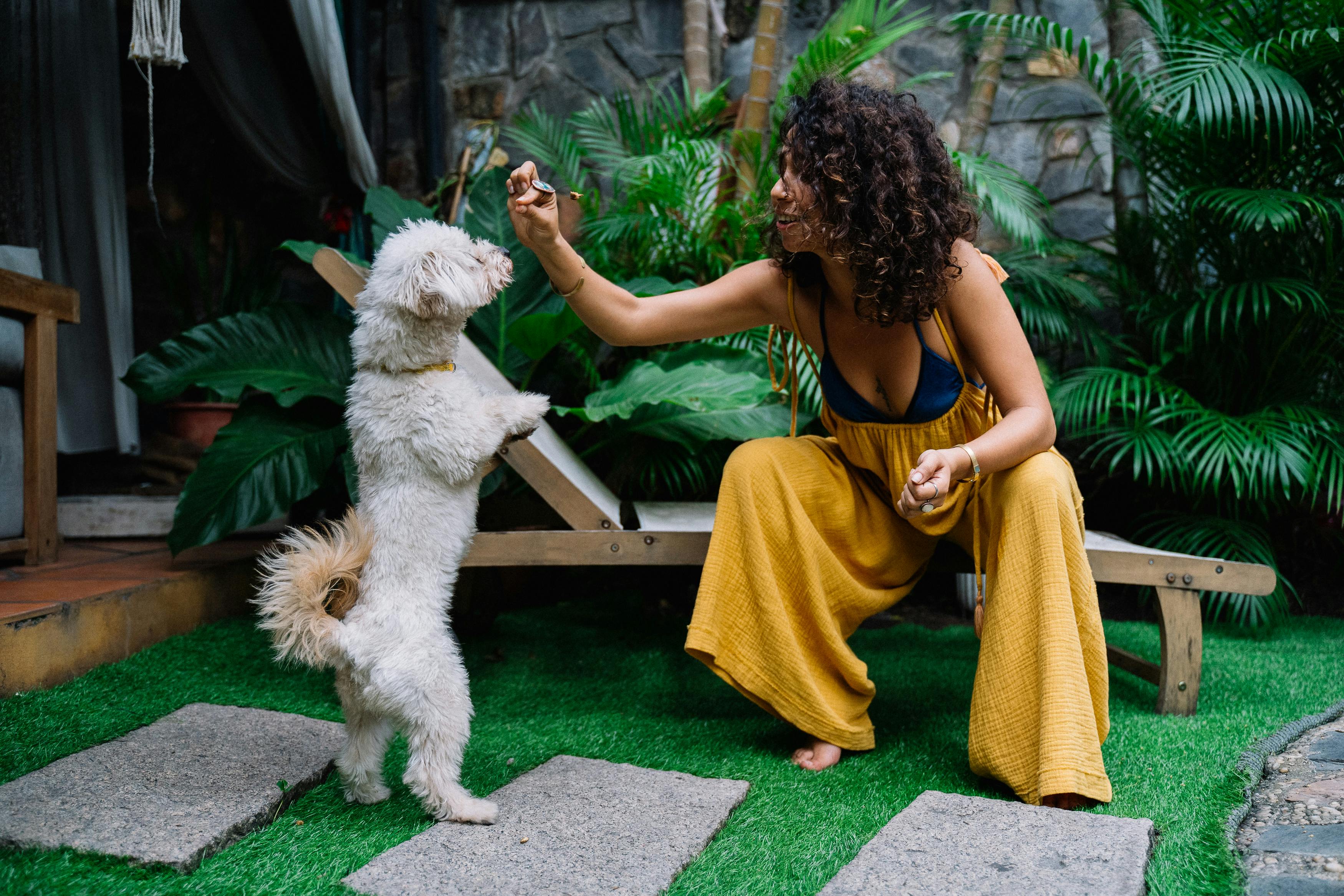
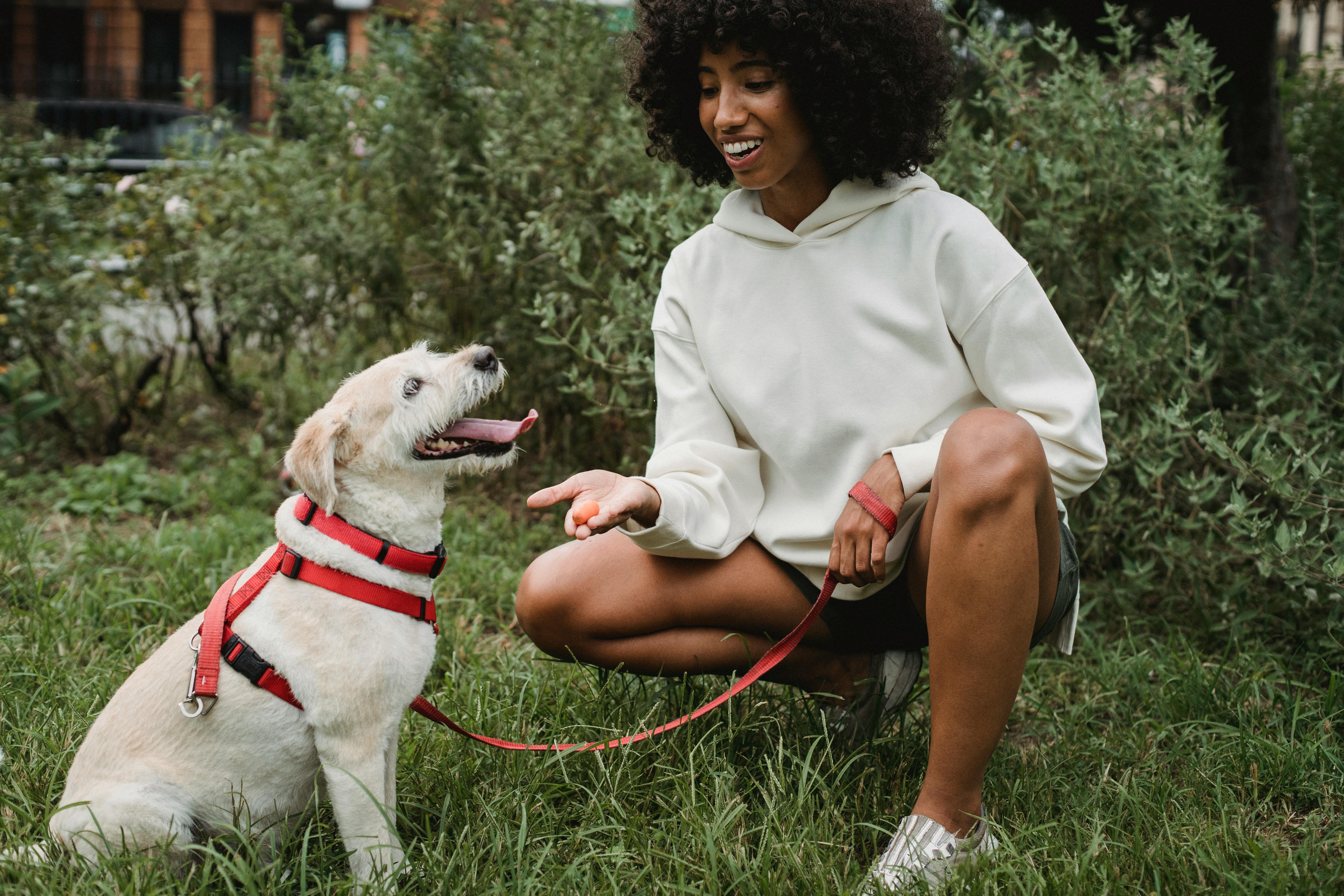
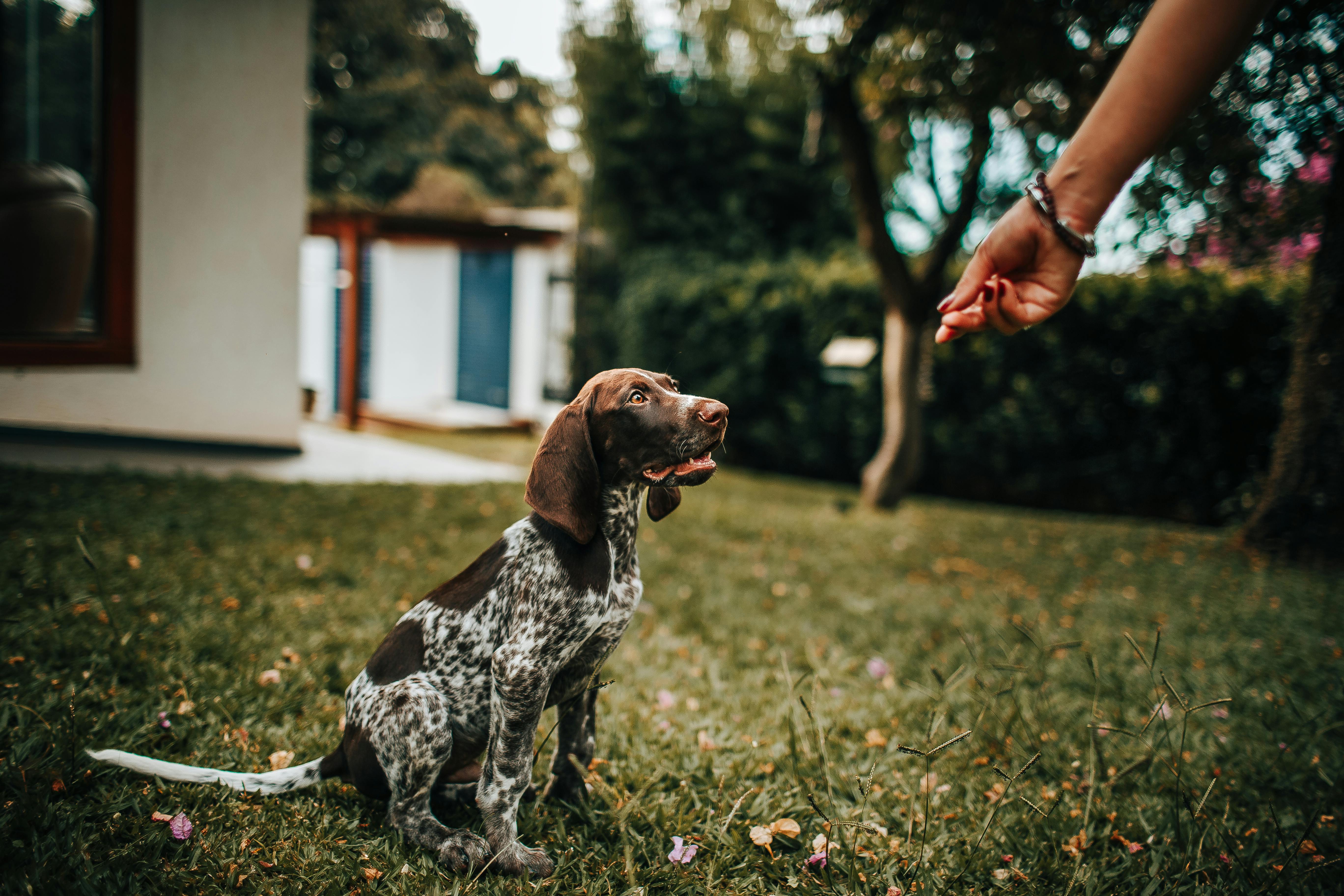
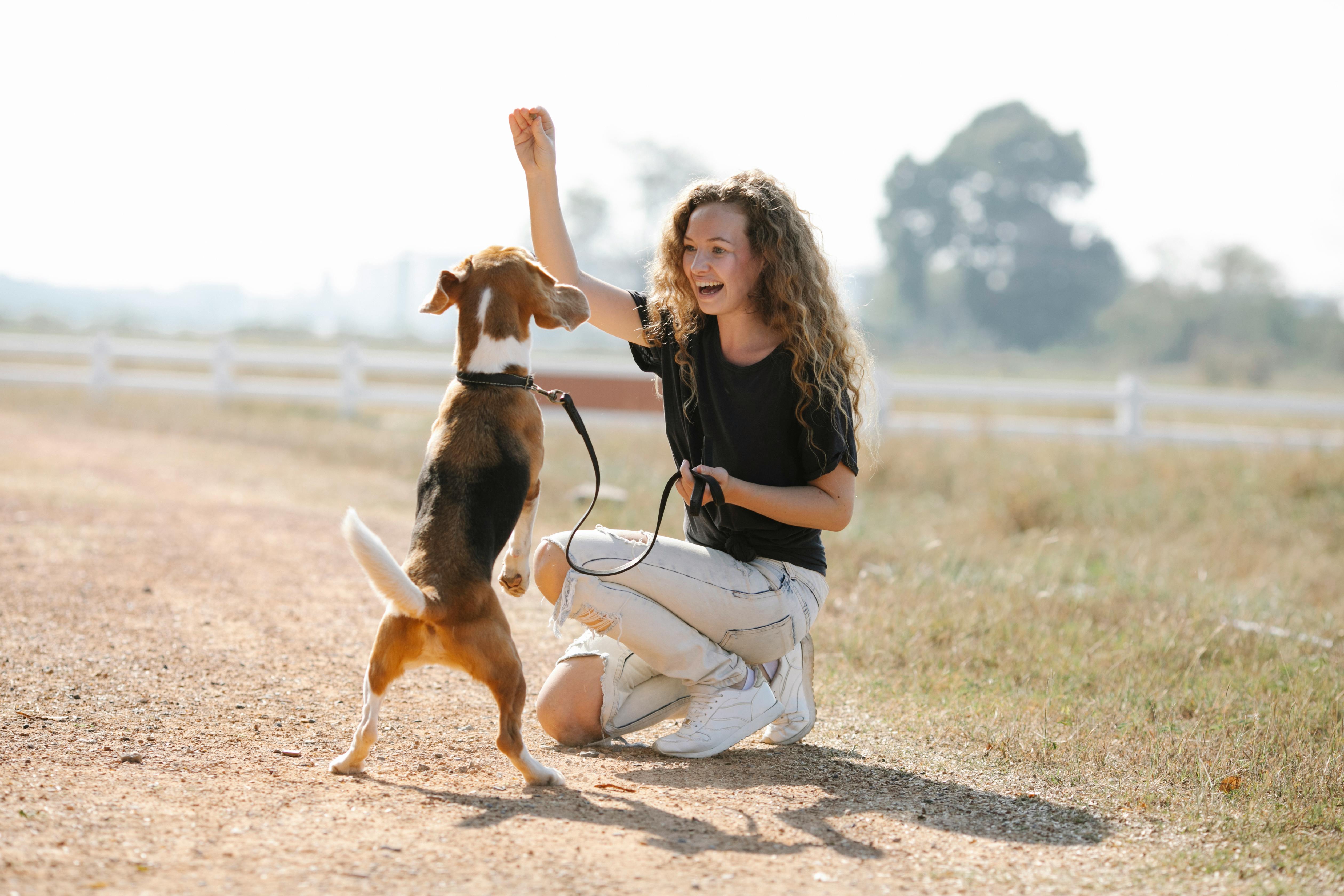
The 'sit' command is one of the easiest and most useful commands to teach. To start, hold a treat close to your dog's nose and move your hand up, allowing their head to follow the treat and their bottom to lower. Once they're in a sitting position, say 'sit,' give them the treat, and offer praise.
2. Stay
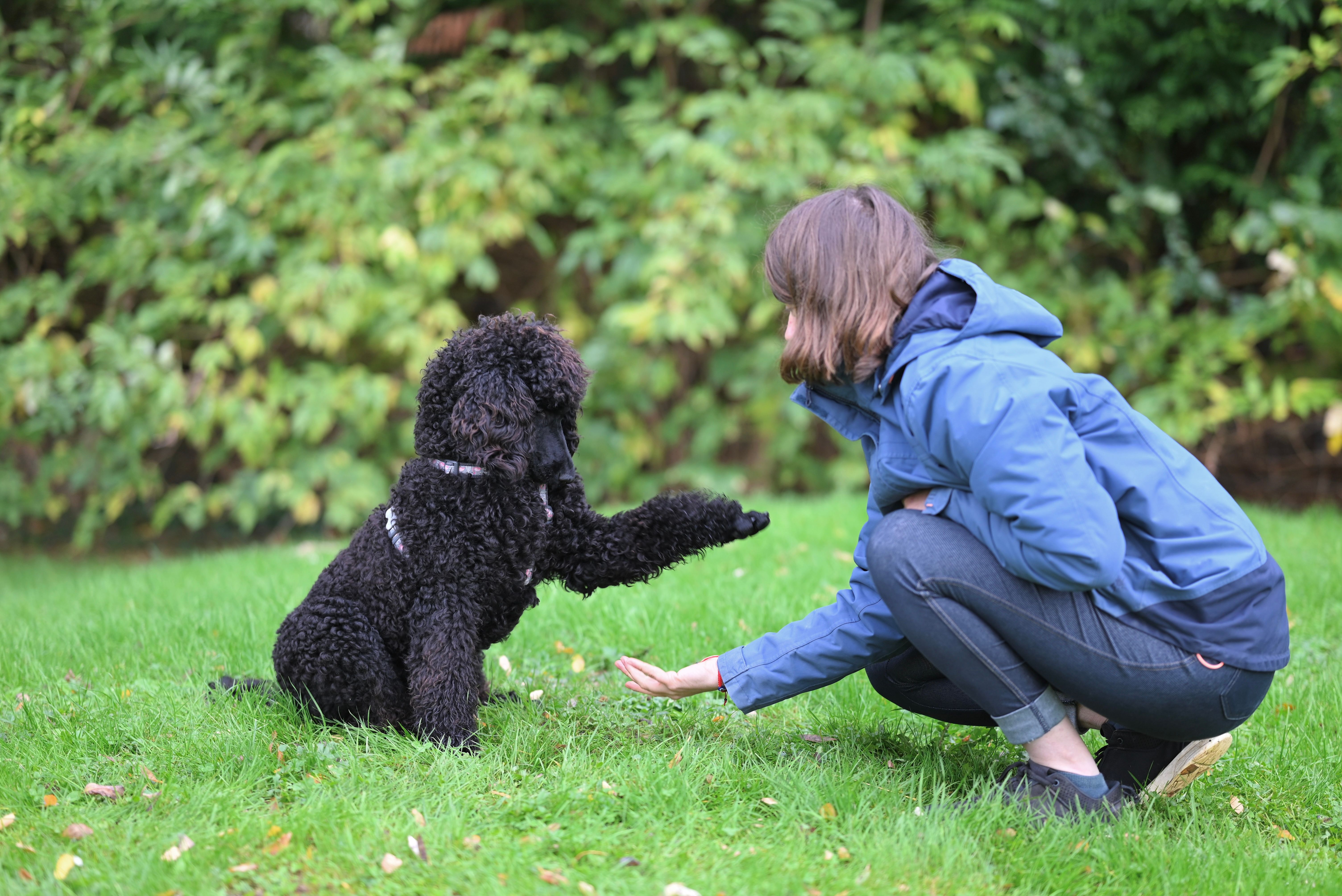
Once your dog masters 'sit,' you can move on to 'stay.' Ask your dog to sit, then open your palm in front of you and say 'stay.' Take a few steps back and reward them if they don't move. Gradually increase the distance over time.
3. Come
This command is crucial for safety. Start by putting a leash on your dog. Get down to their level and say 'come,' gently pulling on the leash. When they approach you, reward them with a treat and affection.
Consistency is Key
Consistency is essential in dog training. Set aside a specific time each day for training sessions and keep them short to maintain your dog's attention. Use the same commands and gestures each time to avoid confusion.
Handling Challenges
Training your dog can come with challenges, such as stubbornness or distraction. If your dog isn't responding, check for distractions or consider if they're overwhelmed. Patience and persistence are critical.
Incorporating Play and Exercise
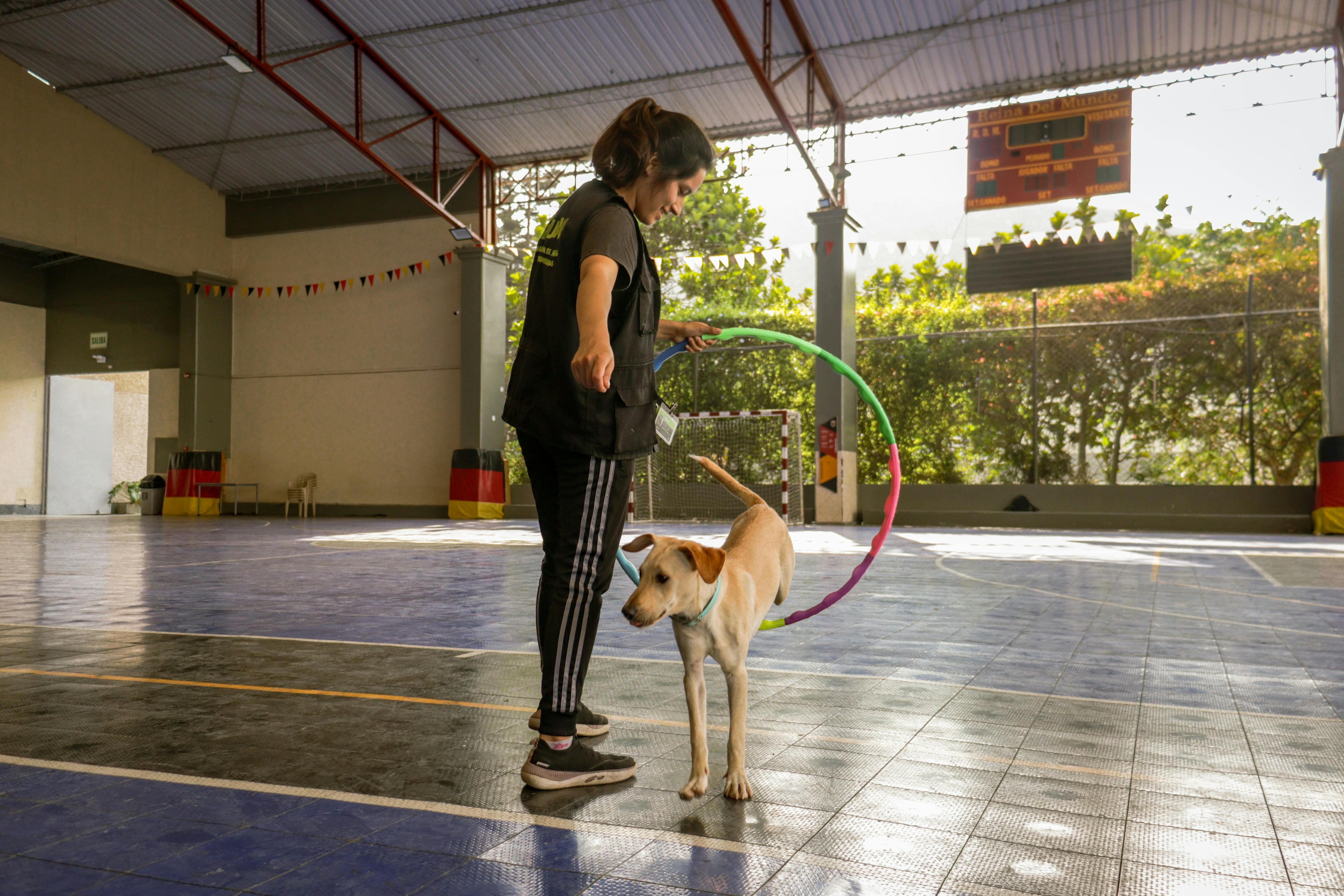
Exercise and play are vital components of a successful training routine. Regular play sessions help burn off excess energy and keep your dog happy and healthy. Incorporate games like fetch and tug-of-war, which can also serve as training opportunities.
When to Seek Professional Help
While training at home is effective, there may be times when professional help is necessary. If you encounter behavioral issues or if your dog isn't making progress, consider enlisting the help of a professional dog trainer. Tails-Up Gun Dogs in Watertown offers expert training services tailored to your dog's unique needs.
Conclusion: Building a Stronger Bond
Training your dog at home is a gratifying journey that strengthens your bond and enhances your pet's quality of life. With patience, consistency, and the right techniques, you'll set the foundation for a well-behaved and happy companion. For more personalized guidance, reach out to Tails-Up Gun Dogs and explore their professional training programs.
Remember, every dog learns at their pace, so celebrate small victories along the way. Happy training!