Understanding Common Dog Training Challenges
Training your dog can be a rewarding yet challenging endeavor. Whether you're a beginner or have some experience, every dog presents unique challenges. At Tails-Up Gun Dogs here in Watertown, Wisconsin, we often encounter a range of issues from local dog owners seeking effective solutions. This guide will address some of the most common dog training problems and offer practical solutions to help you and your furry friend succeed.
Problem #1: Excessive Barking
Why Does It Happen?
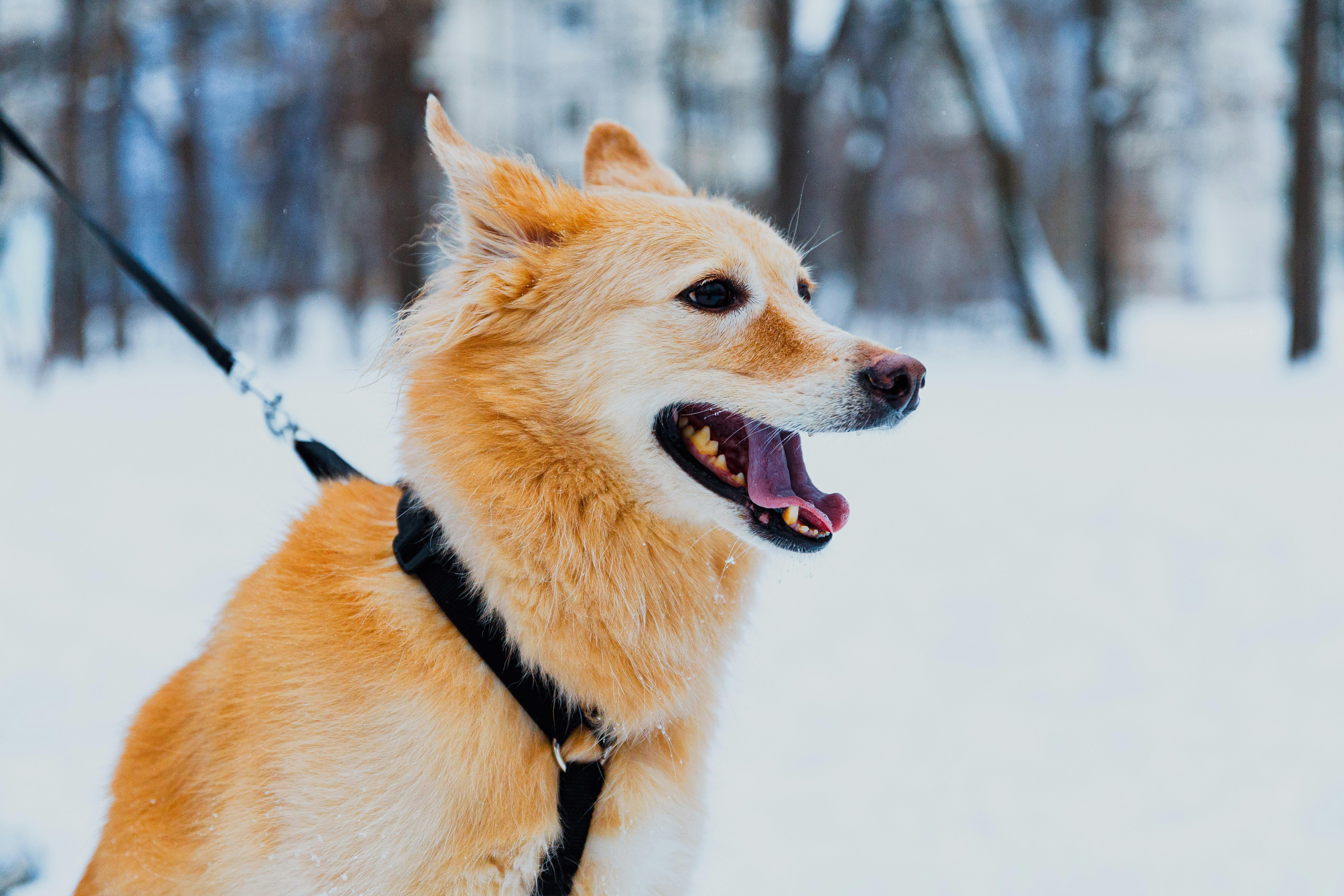
Excessive barking is a common issue and can be triggered by various factors such as boredom, anxiety, or a desire for attention. Dogs often bark to communicate or alert you to perceived threats, which can become problematic if it becomes incessant.
Solution: Identifying Triggers and Consistent Training
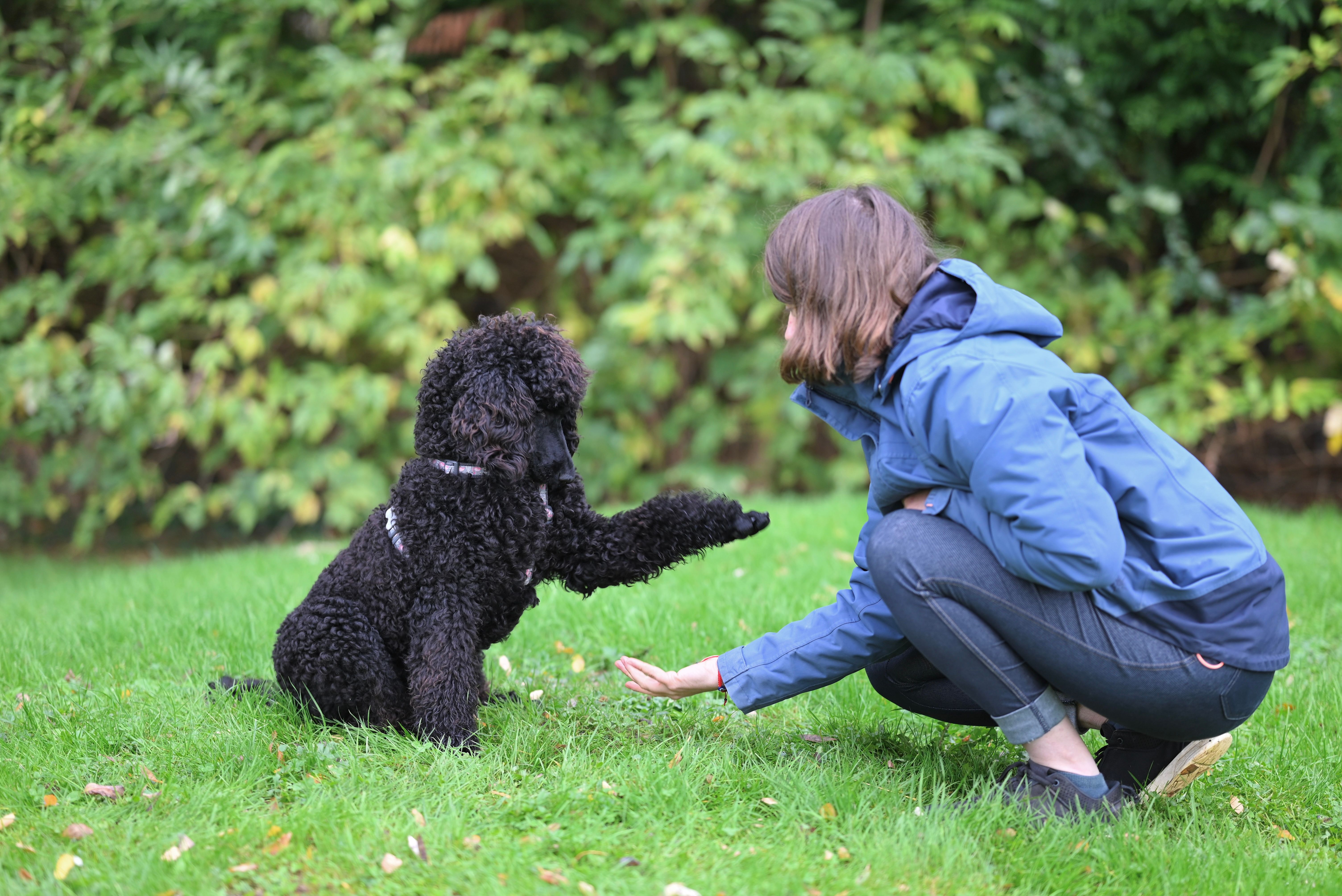
Begin by identifying the triggers for your dog's barking. Is it the mail carrier, other dogs, or simply being left alone? Once you understand the cause, use consistent training to address it. Teach the 'quiet' command using positive reinforcement techniques. Reward your dog when they stop barking on command. Additionally, ensure your dog receives enough physical and mental stimulation to prevent boredom-related barking.
Problem #2: Pulling on the Leash
Why Does It Occur?
Leash pulling is often a result of excitement or a lack of proper leash training. Dogs naturally want to explore their surroundings, and if not trained, they'll pull towards whatever captures their interest.
Solution: Implementing the Stop-and-Go Method
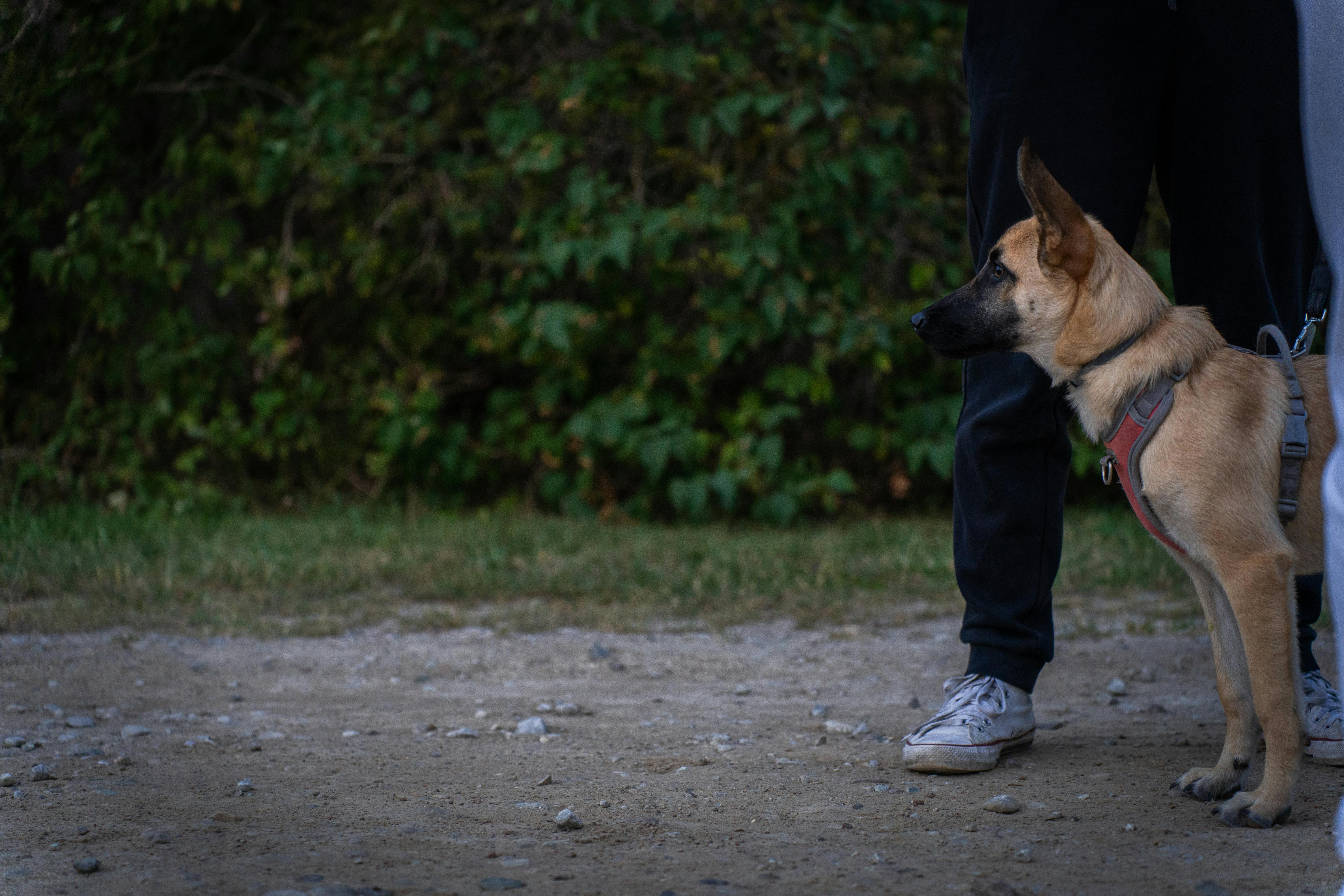
To curb leash pulling, use the stop-and-go method. When your dog begins to pull, stop walking and wait for them to return to your side. Once they do, resume walking. This teaches your dog that pulling stops forward movement, encouraging them to stay by your side. Consistency is key, so ensure all family members follow the same method during walks.
Problem #3: Jumping Up on People
Understanding the Behavior
Dogs often jump up to greet people or show excitement. While this may seem cute when they're puppies, it can become problematic as they grow larger.
Solution: Teach Alternative Greetings
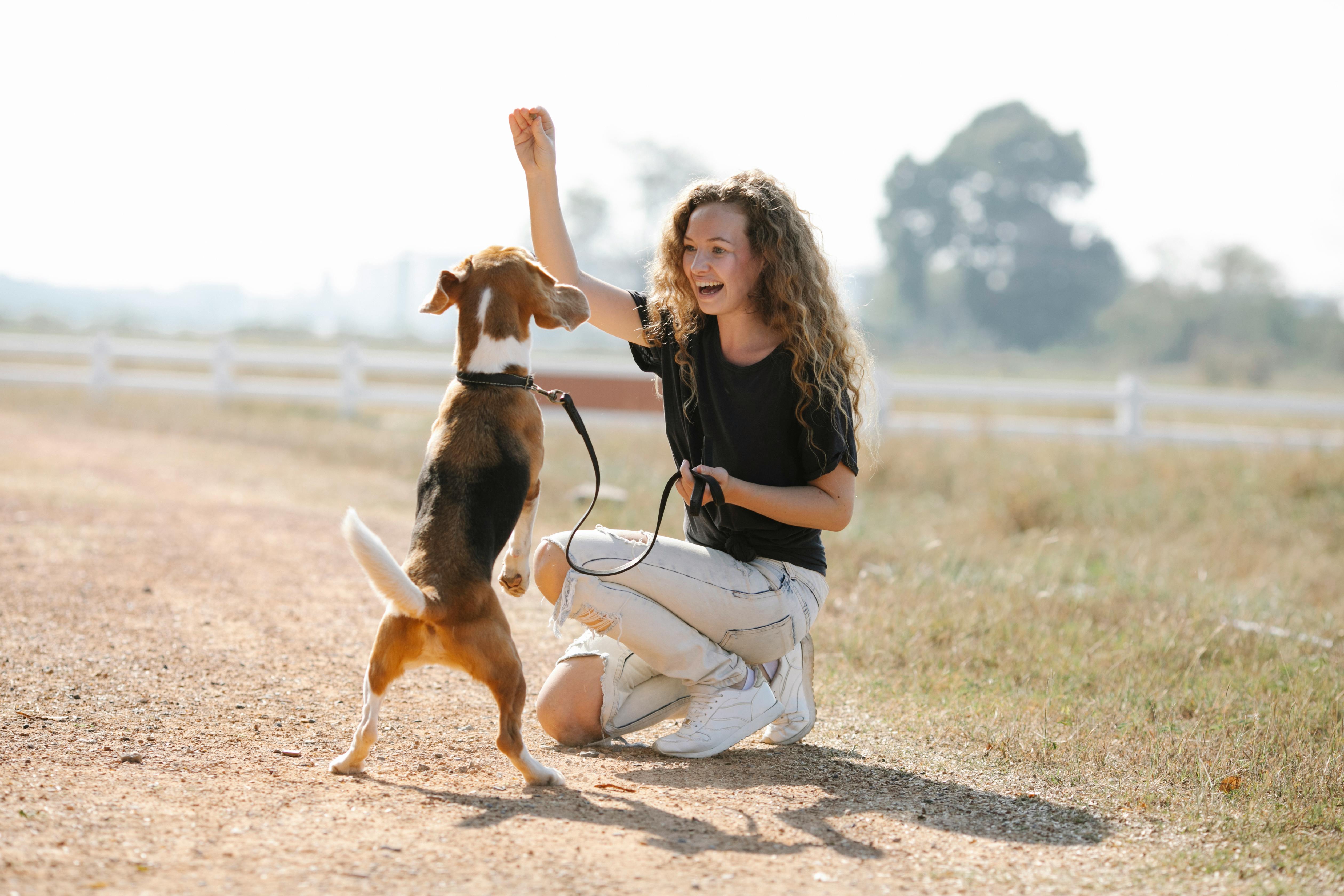
Train your dog to greet people with all four paws on the ground. Ignoring your dog when they jump up and rewarding them with attention and treats once they sit or stand calmly can be effective. Consistently reinforce this behavior by asking visitors to do the same.
Problem #4: House Training Accidents
Understanding the Cause
House training accidents can occur due to a variety of reasons: lack of routine, anxiety, or even medical issues. It's important to rule out any health problems with your veterinarian first.
Solution: Establishing a Routine
Set a consistent schedule for feeding and bathroom breaks. Take your dog out at regular intervals and immediately after meals. Praise and reward them when they eliminate outside. Patience and consistency are crucial, as every dog learns at their own pace.
Problem #5: Digging
Why Dogs Dig
Digging can be a natural behavior for dogs, driven by boredom, the desire to bury items, or even to escape a confined area.
Solution: Creating a Designated Digging Area
Provide a designated digging spot in your yard by filling a sandbox with loose dirt. Encourage your dog to dig there by burying toys or treats. When your dog digs in inappropriate areas, redirect them to the designated spot and reward them for using it.
Conclusion: Patience and Consistency Are Key
Every dog is unique, and training challenges can arise at any stage of their life. By understanding the reasons behind their behaviors and employing consistent training techniques, you can overcome these common issues. If you need further assistance, consider reaching out to professional dog trainers like Tails-Up Gun Dogs in Watertown, Wisconsin. Our expertise can guide you through the training process, ensuring a happy, well-behaved companion.
For more tips and personalized training services, visit our website or contact us to schedule a consultation. Remember, patience and persistence are your best tools in the journey to a well-trained dog.